Is Panama City Beach, FL the Right Move for Your Retirement? (From a Relocation Specialist)
If you’re dreaming of spending retirement with your toes in the sand and a sunset over the Gulf, Panama City Beach (PCB), Florida is probably on your short list. As a local relocation specialist, I help retirees make the move here all the time—and my job is to help you see the full picture before you decide.
In this guide, I’ll walk you through what retirement in PCB is really like, how to avoid common mistakes, and how I can help you find the right home, neighborhood, and even insurance options for your budget.
1. The Retirement Lifestyle Here: Relaxed, Beachy, and Social
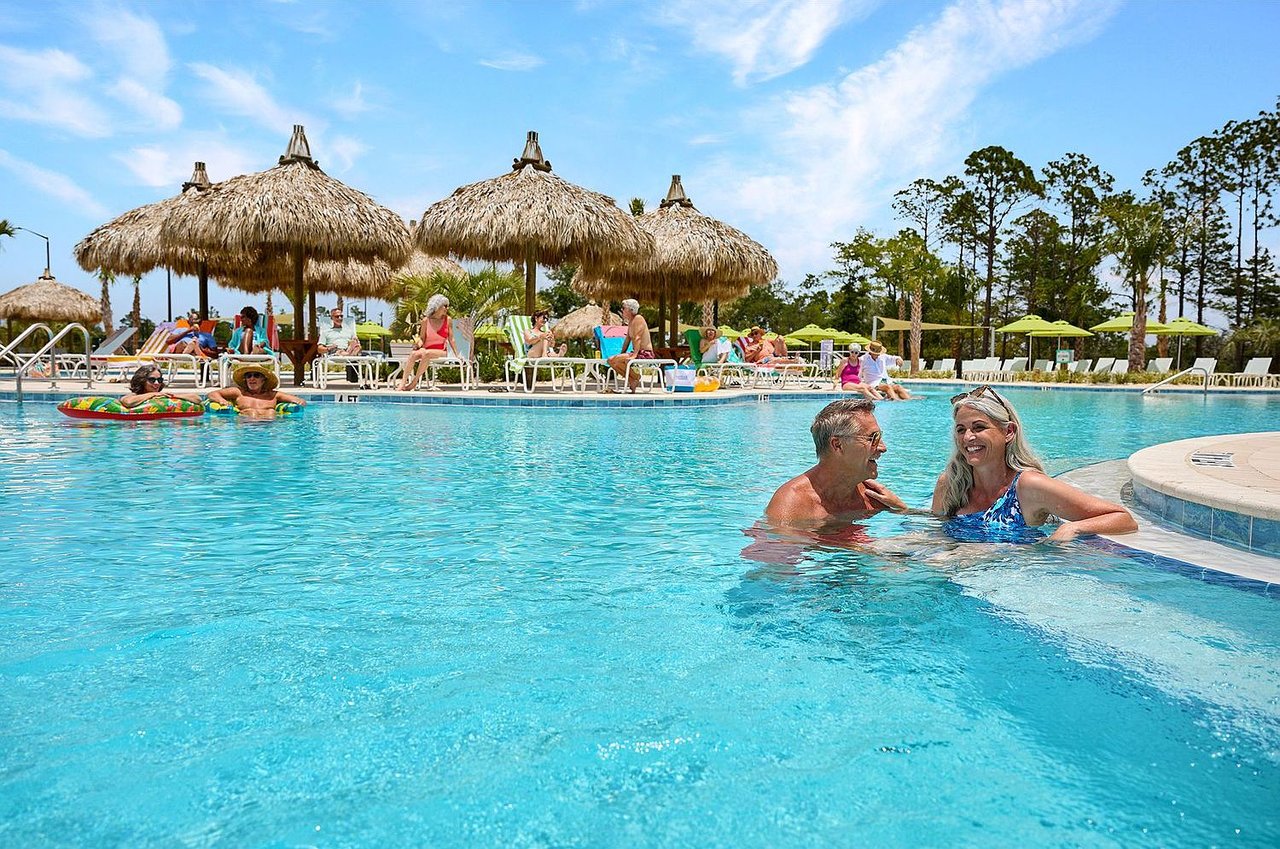
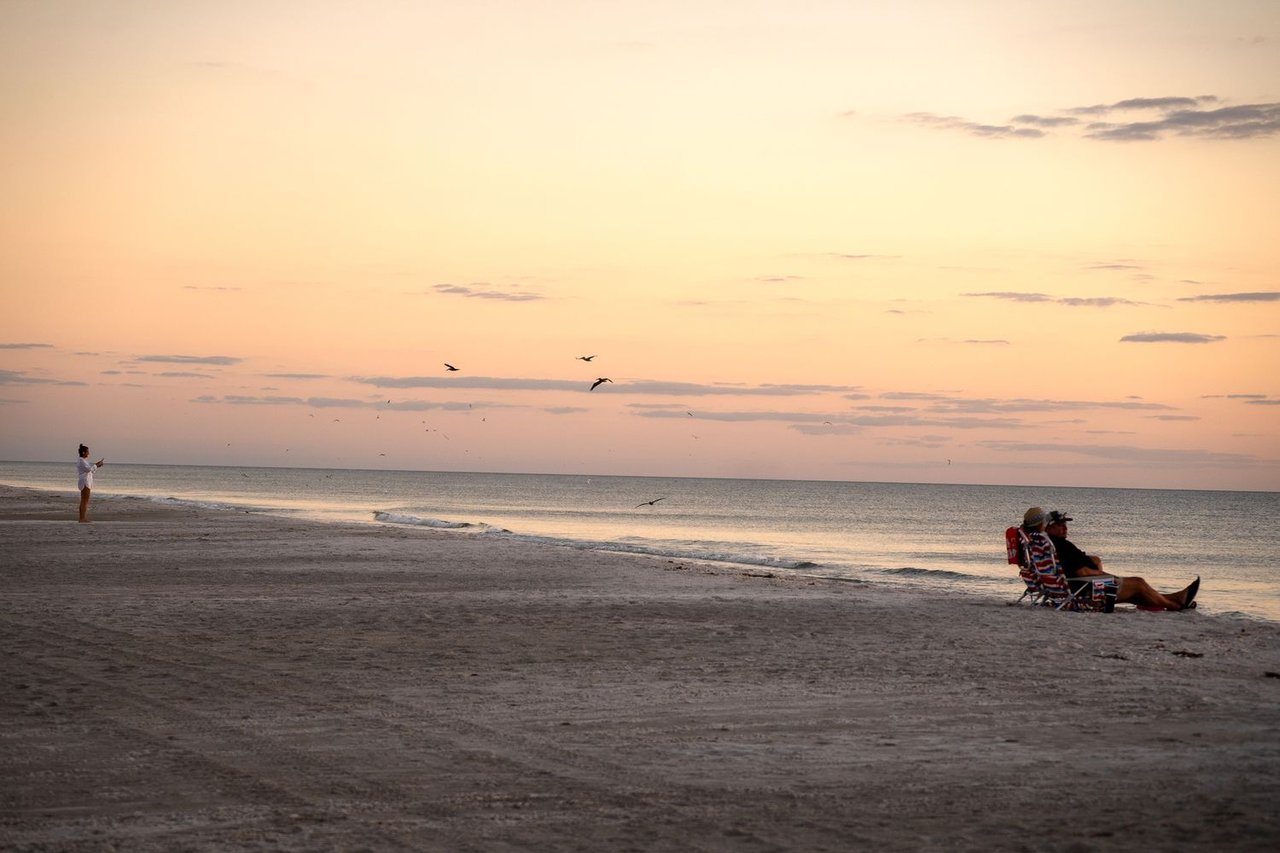
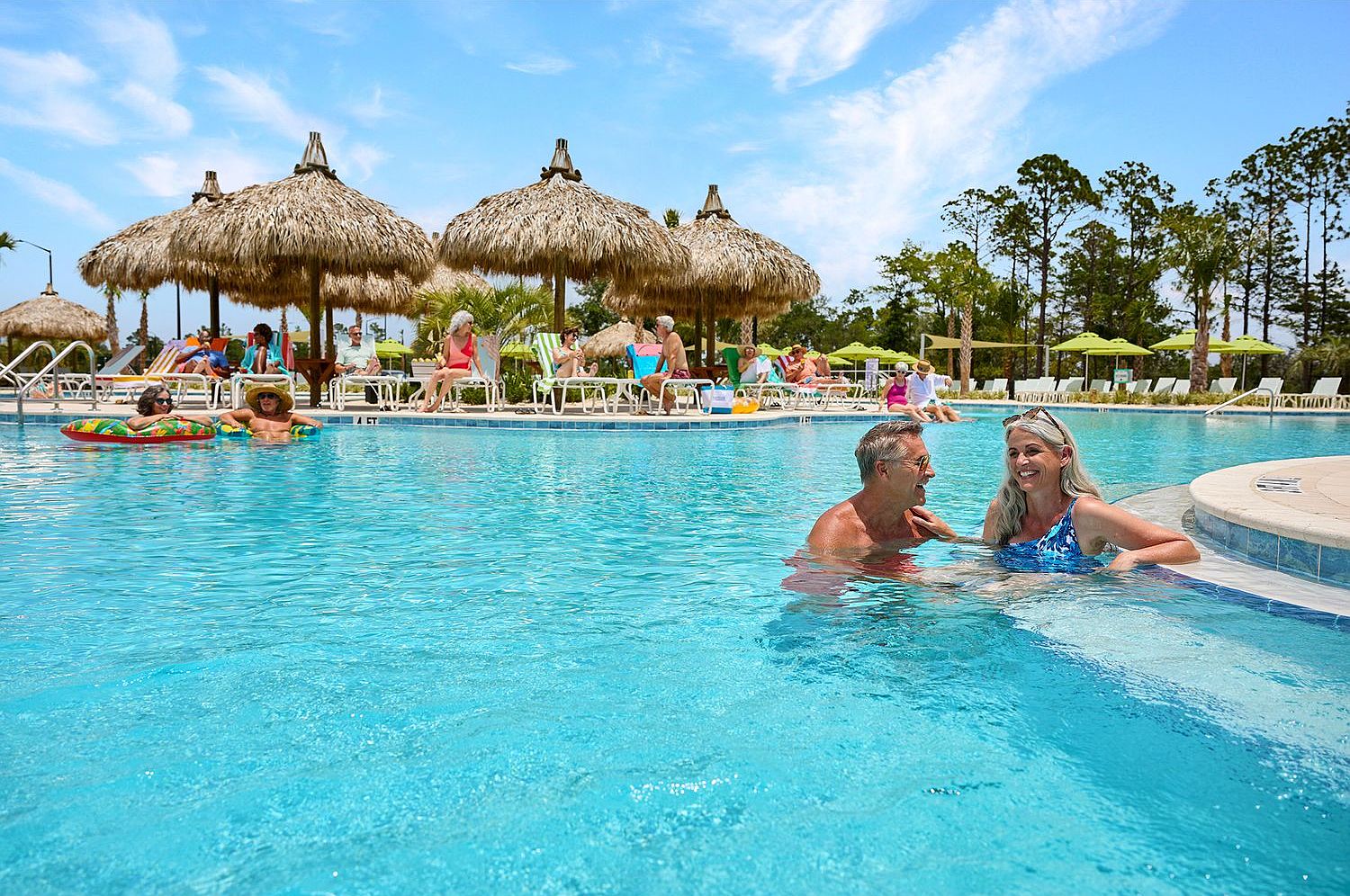
Retirees are drawn to PCB for its laid‑back, beach‑town feel. Most days revolve around simple pleasures: morning walks on the beach, afternoons by the pool, and evenings watching the sun drop into the Gulf.
From my perspective working with new arrivals, retirees tend to love that:
-
It’s easy to meet people—there’s always someone new moving in.
-
Community events, churches, volunteer opportunities, and hobby groups make it simple to plug in.
-
You can be as busy or as relaxed as you want; there’s always something going on, but no pressure to do it all.
When we work together, I help you focus on neighborhoods and communities where the day to day lifestyle actually matches what you picture for your retirement,not just what looks pretty in photos.
2. Cost of Living, Housing, and How I Help You Plan Ahead
“Can I really afford to retire at the beach?” is usually one of the first questions I hear.
Panama City Beach can be more attainable than some of the famous Florida coastal hotspots, but it’s still a beach town, and there are a few key financial pieces to understand:
-
Home options: We have everything from condos and townhomes to single‑family houses and newer communities. Gulf‑front will always command a premium, but you don’t have to be right on the sand to enjoy the beach.
-
North of Highway 98: Many retirees are surprised to learn there are neighborhoods just a couple of miles from the ocean, north of Highway 98, where prices and insurance are often more manageable and flood insurance may not even be required. You’re still a short drive to the beach without paying “front row” pricing.
-
HOA and condo fees: These can cover amenities, exterior maintenance, and reserves—but they also add to your monthly budget. I help you compare total monthly costs, not just purchase price.
-
Insurance: Coastal insurance is a big piece of the puzzle. One of the ways I help my clients is by connecting them with trusted insurance agents who understand this market and can shop for competitive rates. We look at wind, homeowners, and, if needed, flood coverage before you make any final decisions.
When we talk, we’ll build out a realistic budget together, so you know exactly what to expect before you move, instead of getting surprised after you’ve already bought.
3. Weather: What You’ll Really Live With Year‑Round
Weather is a big reason many retirees relocate here, and I always encourage people to think about it in terms of daily life, not just vacations.
Here’s what you can expect:
-
Mild winters: You can walk the beach in the winter with a light jacket instead of bundling up for snow.
-
Hot, humid summers: Beautiful, but you’ll likely plan errands and activities around the heat, especially midday in July and August.
-
Hurricanes and storms: This is part of life on the Gulf Coast. I make sure my clients understand evacuation zones, construction standards, and how different locations impact both risk and insurance. The good news is that not every area is treated the same; some neighborhoods are in lower‑risk zones and don’t require flood insurance, which is another reason choosing the right area matters.
If you’re unsure how you’ll handle the climate, I often suggest a “test” stay during the summer and the off season. I can help you identify areas to try that match your long term goals.

4. Healthcare and Everyday Convenience
For retirees, healthcare and convenience matter just as much as the beach view.
In and around PCB, you’ll find:
-
Hospitals and medical centers within a reasonable drive.
-
Primary care providers, specialists, urgent care clinics, and pharmacies spread throughout the area.
-
Day to day essentials, grocery stores, big‑box retailers, restaurants, and services close to most neighborhoods.
When I’m helping retirees narrow down areas, we don’t just look at the house; we also look at:
-
How far it is to your preferred hospital or clinic.
-
Whether local providers accept your insurance or Medicare plans.
-
How comfortable you are with the driving routes you’d be using regularly.
My goal is to help you land in a spot where your healthcare, budget, and lifestyle all line up, not just your view.
5. Where Retirees Actually Like to Live
Not every part of PCB feels the same, and this is where a relocation specialist really makes a difference.
Some of the patterns I see with retirees:
-
Quieter residential pockets off the main tourist strip: Great for those who want easy beach access without being in the middle of the busiest areas.
-
North of Highway 98: This is an option many retirees love. You’re still only a few minutes from the beach, but you can often get more house or yard for the money, and in many cases, you’re in areas that don’t require flood insurance and are less expensive to insure overall.
-
Golf, marina, and planned communities: Ideal if you want a built‑in social scene, walkable amenities, or activities like golf and boating.
-
Condo living versus single‑family homes: Some retirees love “lock‑and‑leave” convenience; others want a small yard and a bit more privacy. I help you weigh the lifestyle, costs, and rules of each option.
When we work together, I’ll ask detailed questions about how you want to live day‑to‑day, then show you specific areas and communities that match those priorities.
6. Tourists, Traffic, and Finding Your Peace
One thing I’m always upfront about: PCB is a real beach town with real seasons.
You should know:
-
Busy season (spring and summer): More traffic, longer waits at restaurants, and busier beaches, especially near the main tourist corridors.
-
Off‑season: Much calmer, with more of a “locals only” feel, easier parking, and quieter evenings.
-
Your exact location makes a big difference: A home a couple of miles inland or north of 98 can feel dramatically calmer than a condo right on the main strip, even though you’re still very close to the water.
My job is to help you balance your desire for easy beach access with your need for peace and quiet. For many retirees, living just a bit away from the busiest sections (while still staying close to the water) is the best of both worlds.
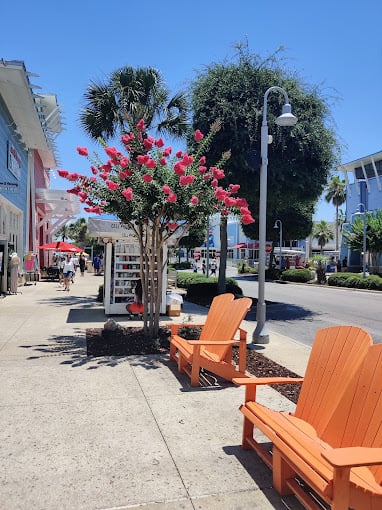
7. Staying Active and Connected in Retirement
If you want an active, social retirement, Panama City Beach makes that easy.
Retirees here enjoy:
-
Outdoor activities like walking, biking, fishing, boating, pickleball, and exploring nearby parks.
-
A variety of clubs, volunteer opportunities, and faith communities.
-
Dining, live music, and seasonal events that provide plenty of “something to do” when you want it.
When I help clients relocate, I often introduce them to local groups and resources so they’re not starting from scratch. Whether you want quiet mornings and a few close friends or a packed social calendar, we can look for neighborhoods and communities that match your personality.

8. How I Can Help You Relocate Smart, Not Just Fast
Relocating for retirement is a big life decision. You’re not just picking a house—you’re picking a lifestyle, a budget, and a community.
Here’s how I can help:
-
Clarify your priorities: Budget, healthcare access, walkability, social life, low maintenance, proximity to the beach—whatever matters most to you.
-
Identify the right areas: Including more affordable spots north of Highway 98 where many properties don’t require flood insurance and insurance costs are often more reasonable, while still keeping you just a couple of miles from the ocean.
-
Connect you with the right insurance agent: Someone who understands this market and can work to get you appropriate coverage and great pricing, so there are no surprises after you move.
-
Guide you step‑by‑step: From neighborhood tours and rental “test runs” to home selection and getting settled.
If you’re thinking seriously about retiring in Panama City Beach, or just want to know whether it’s the right fit for you. I’d be happy to talk through your situation, answer specific questions, and help you build a realistic plan for making (or not making) the move.
Vanessa Faulkner
Emerald Coast Relocation Specialist